← 🔩 Other Projects
Preliminary Plan for the Koh Rong Wastewater Treatment Plant, Sihanoukville Province
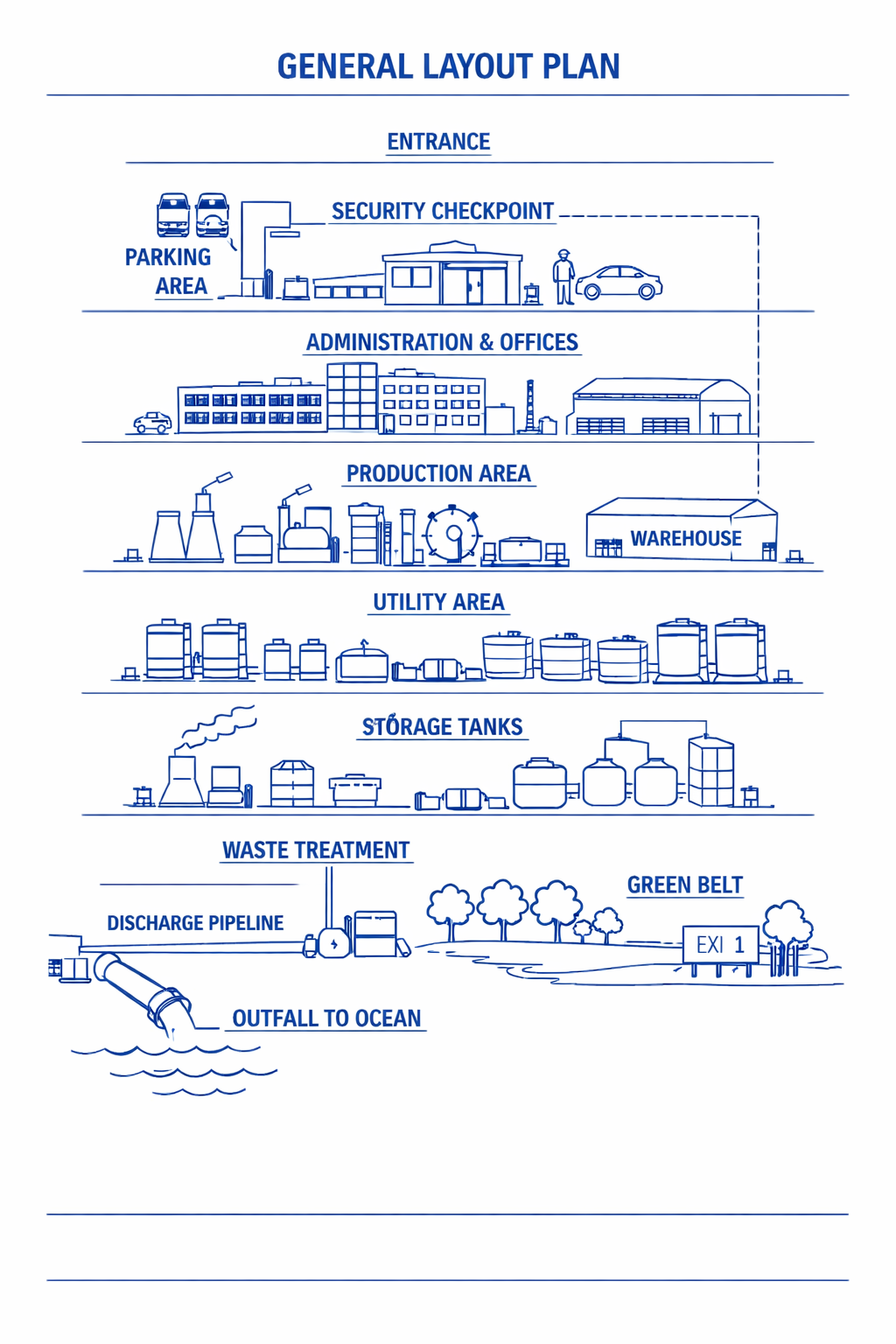
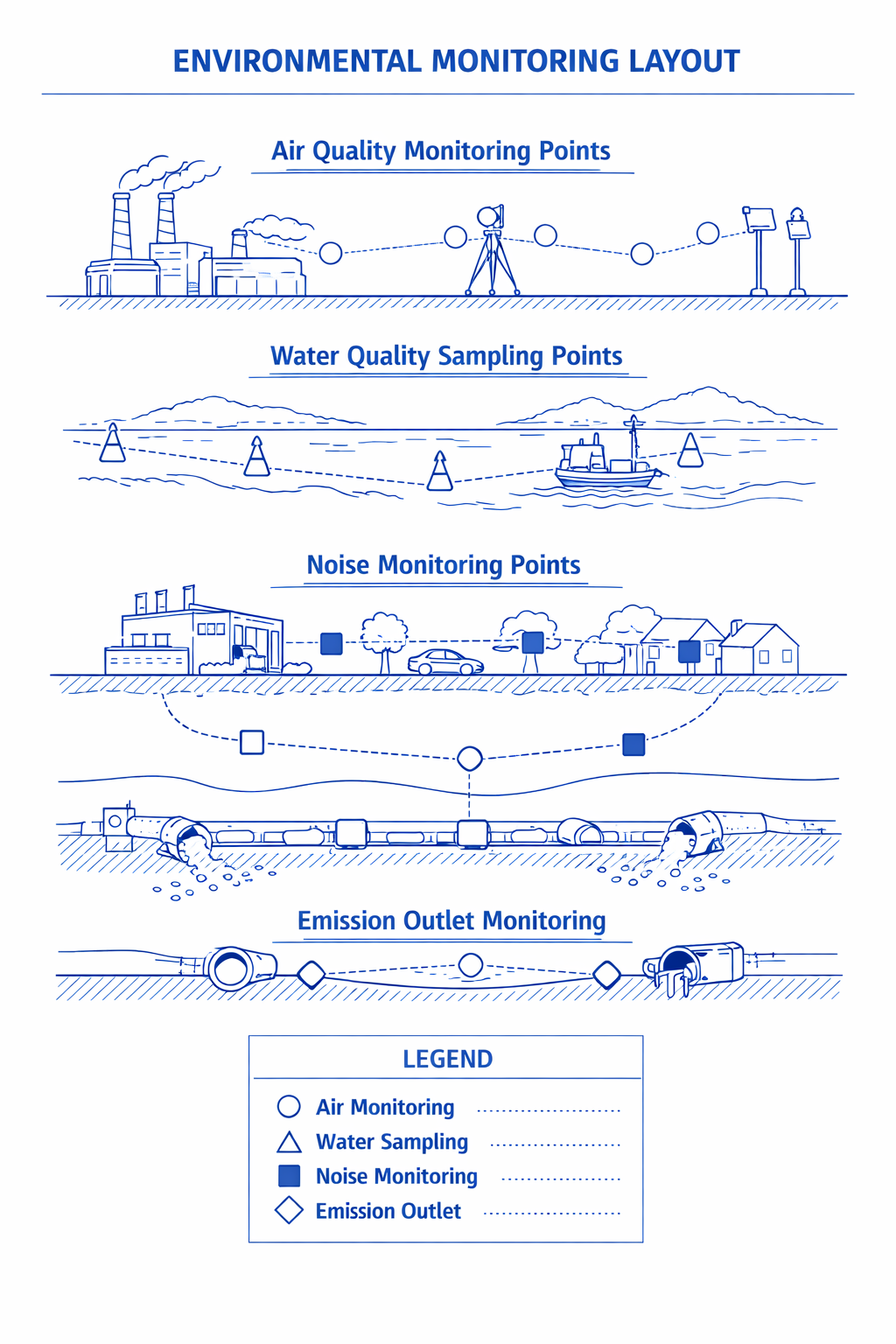
I. Regional Location Assessment (RIA): In 2019, the Cambodian government upgraded this sea area to "Koh Rong Town," with a total administrative area of approximately 102.5 square kilometers (including Koh Rong Island itself (78 square kilometers), Koh Rong Sanloem (24.5 square kilometers), and more than 10 surrounding islets). As a top-tier island resort, Koh Rong Island lacks a mature municipal integrated sewage network. Furthermore, its white sand beaches, coral reefs, and near-shore ecosystems are nationally protected in Cambodia, requiring extremely stringent monitoring of water transparency and eutrophication (nitrogen and phosphorus). Under these geographical conditions, the design scheme must adopt a closed-loop Class A design scheme of "100% independent construction, ultra-high standard greywater reuse + extremely high standard deep-sea discharge."
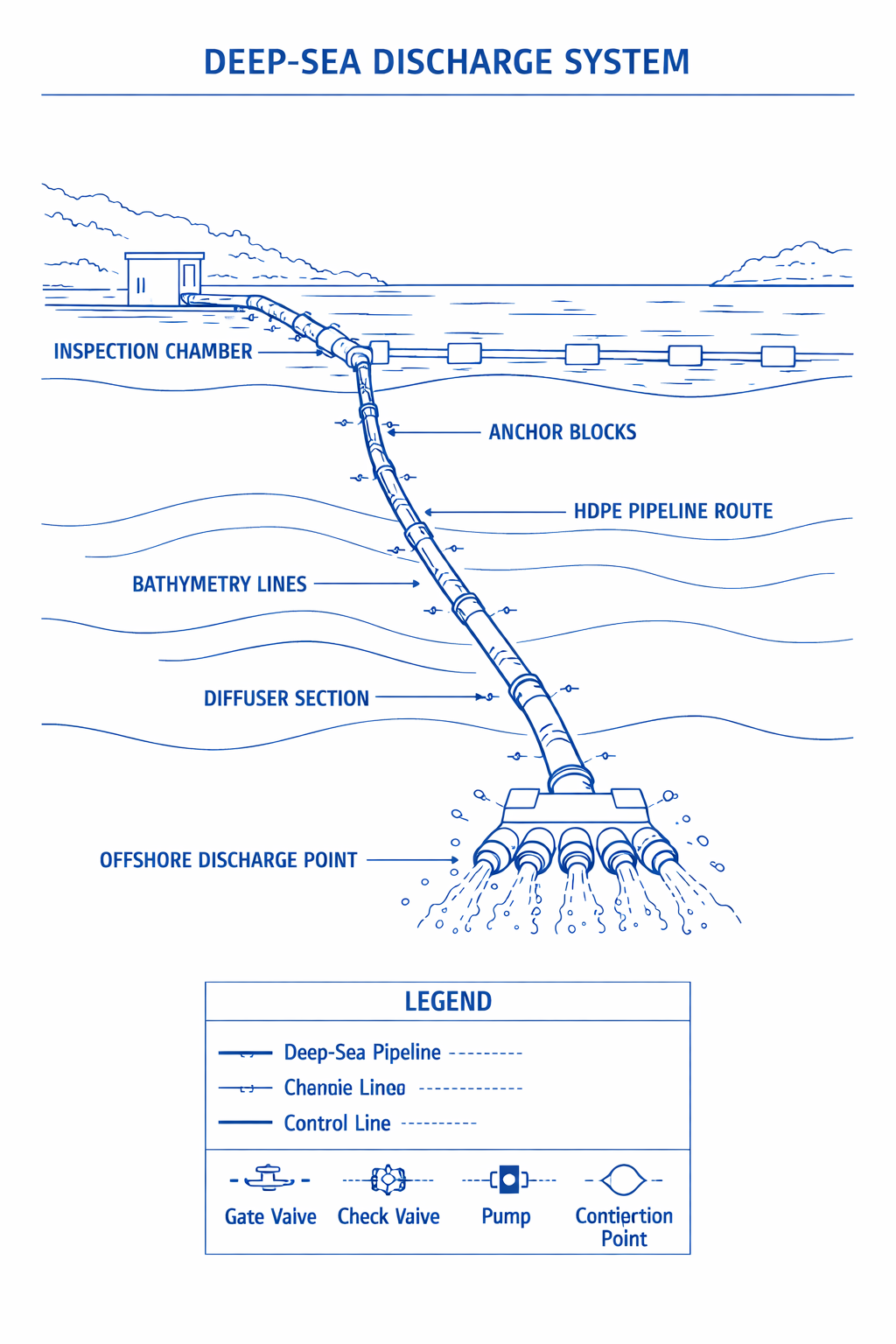
1. Zero-tolerance for direct beach discharge: Direct discharge of wastewater onto Koh Rong Island beaches (such as Koh Touch and Long Set Beach) is strictly prohibited. 1. Wastewater must undergo 100% advanced treatment and be prioritized for reuse on the island. Excess wastewater must be discharged into deep-sea areas.
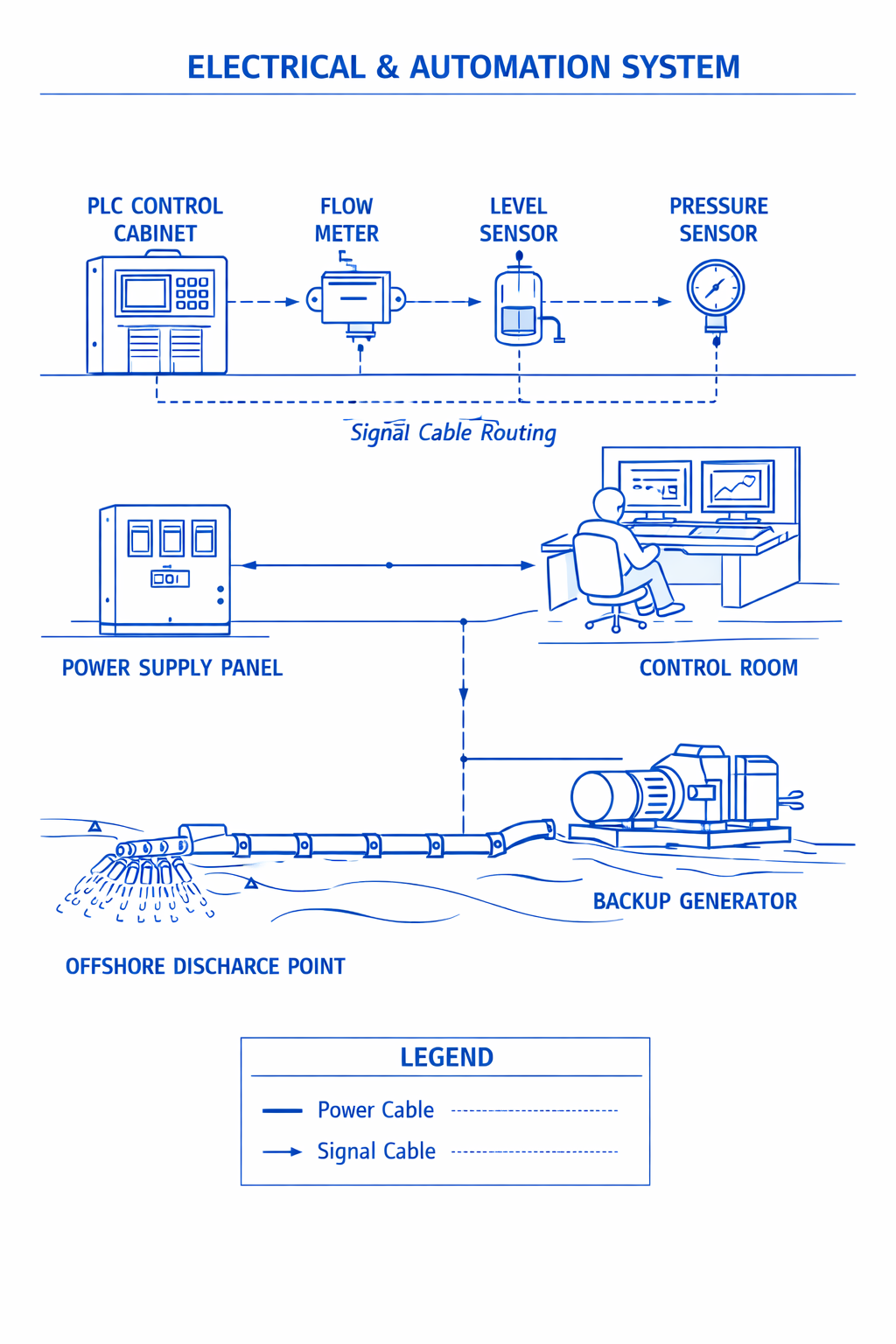
2. Severe Freshwater Scarcity: Freshwater resources (groundwater/spring water) on Koh Rong Island are extremely scarce during the dry season, and the cost of purchasing water and desalination is extremely high. Therefore, the wastewater treatment plan must be transformed into a "reclaimed water reuse system," reusing large quantities of the treated, high-quality Class 1A wastewater for hotel toilet flushing, green space irrigation, and landscape water replenishment, thereby significantly reducing hotel operating costs. 3. Island Logistics and Power Constraints: Power supply in some areas of Koh Rong Island relies on diesel generators or local microgrids, resulting in expensive electricity costs; and the transportation of chemical reagents is inconvenient. The design must prioritize low-energy consumption, low dependence on chemical reagents, and high automation (reducing the need for resident senior technical personnel).
II. Environmental Impact Assessment (EIA): Due to the ecological sensitivity of Koh Rong Island, a comprehensive environmental impact assessment report must be submitted to the Cambodian Ministry of Environment (MOE) before construction begins, focusing on the "zero discharge" wastewater and reclaimed water reuse plan. Preliminary Process Flow Analysis: The effluent must meet the stringent restrictions for coastal waters stipulated in Cambodia's Sub-Decree on Water Pollution Control (e.g., COD < 8 mg/L, total nitrogen 0.2-1 mg/L, total phosphorus 0.02-0.09 mg/L, and oil content is strictly prohibited). This standard is even more stringent than China's Class A standard (Class A COD is 50 mg/L). To accurately calculate the biological treatment tank volume, MBR membrane area, investment budget, and daily power consumption, the following basic data is required:
1. Daily wastewater volume on the island (estimated daily wastewater production in tons).
2. Whether sufficient area has been reserved on the island for the construction of this wastewater treatment plant.
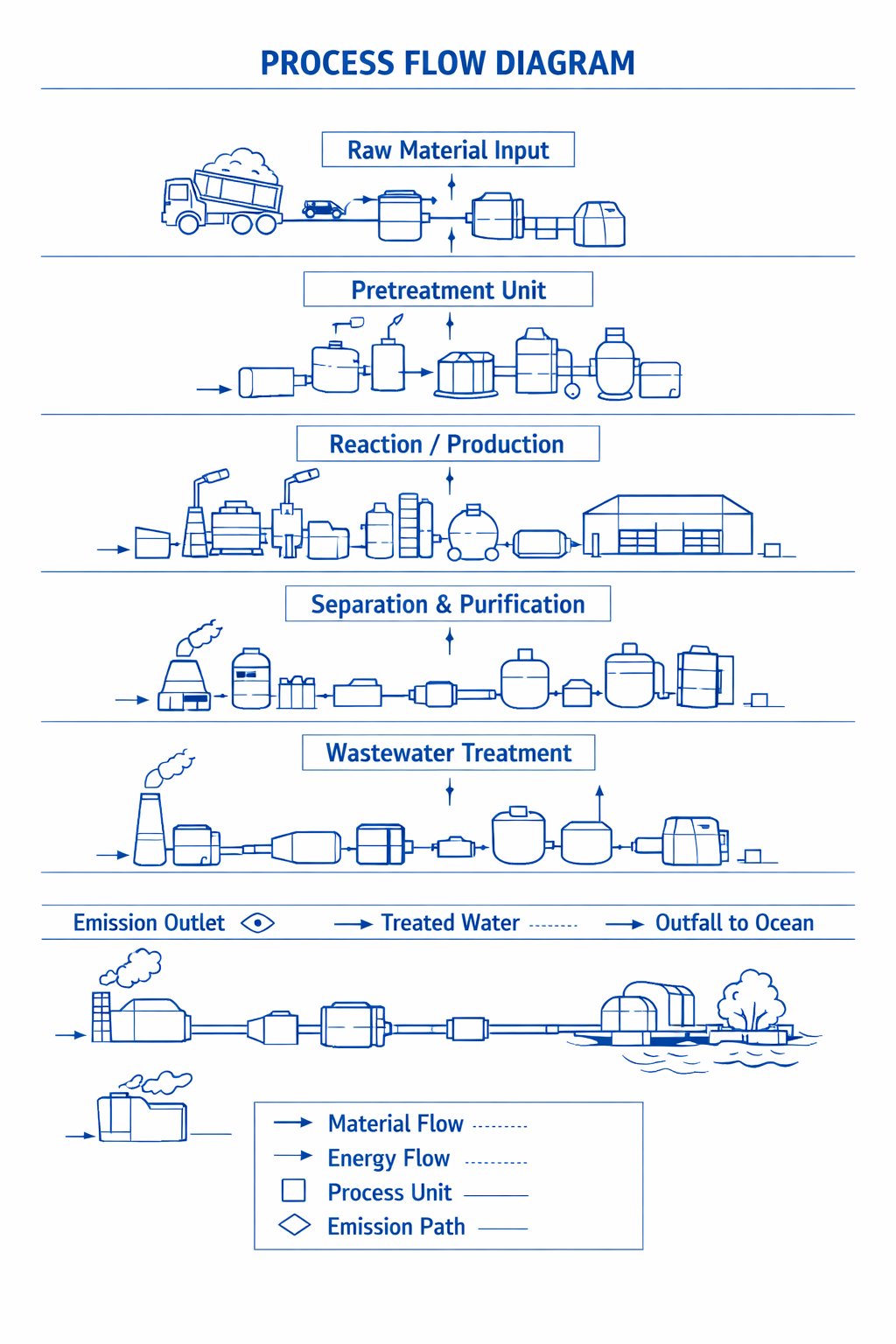
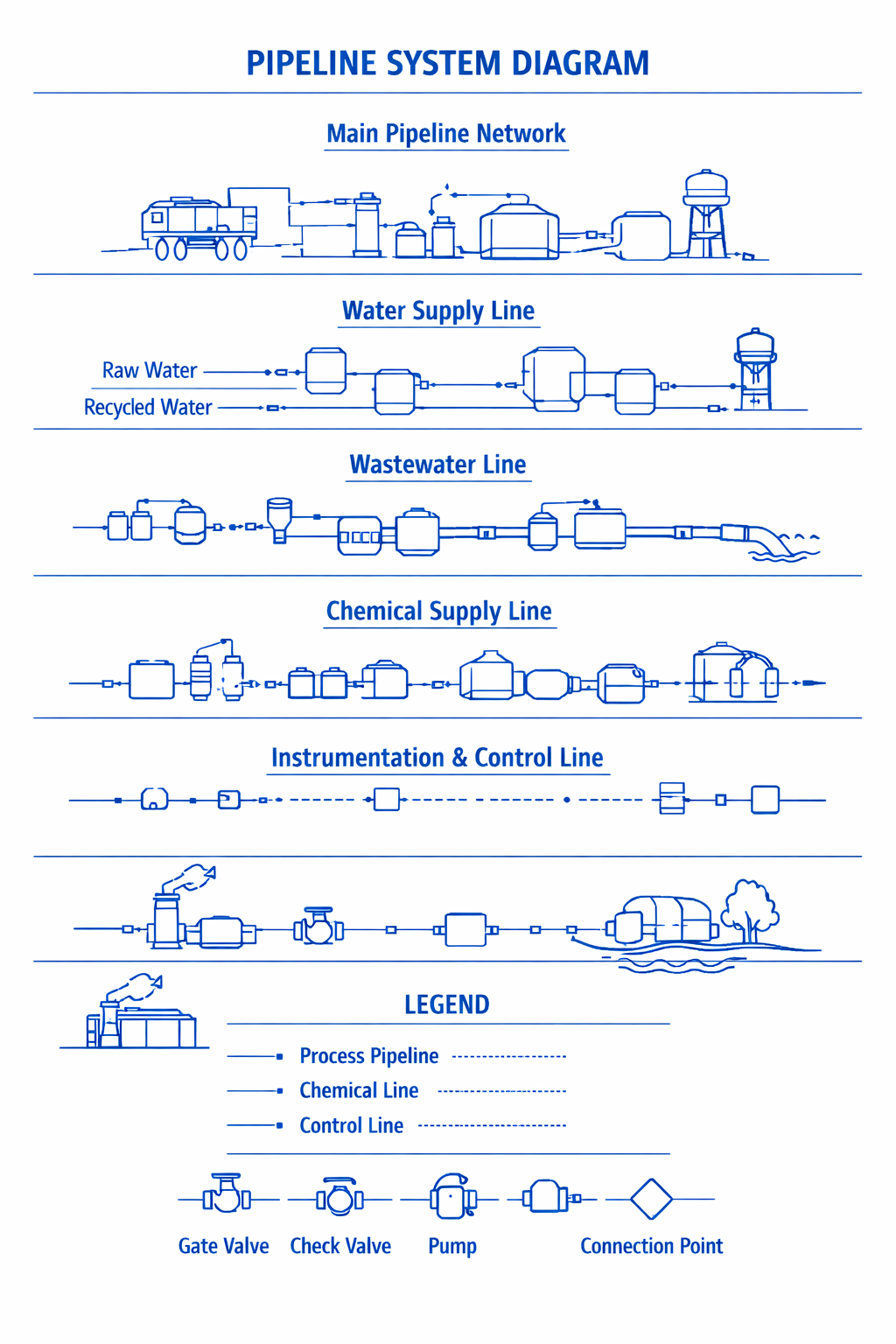
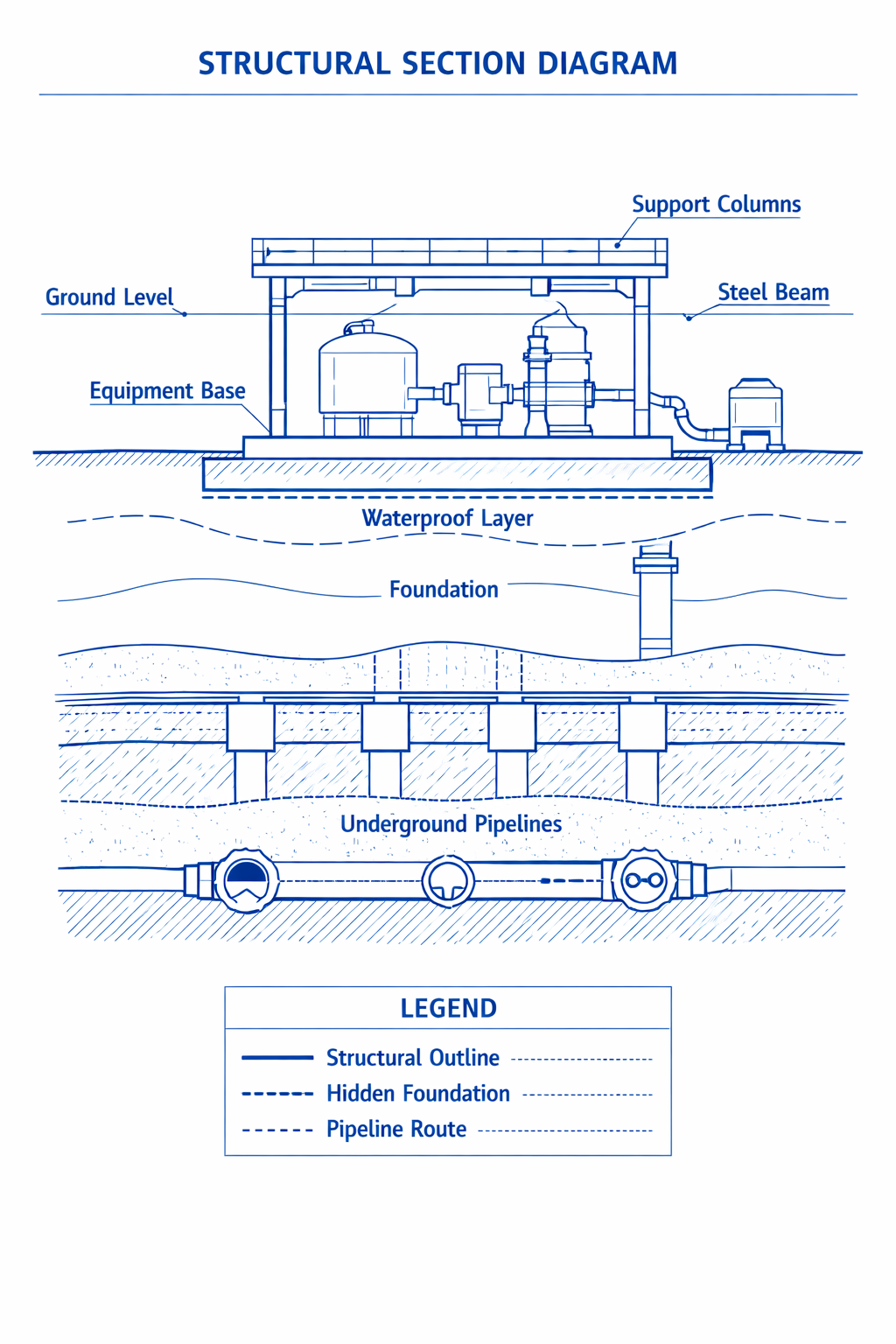
III. Preliminary Process Flow Design: Gaolong Island Hotel Grade A (High Standard Reclaimed Water Reuse) Process Flow Design: It is recommended to adopt a fully enclosed buried/semi-buried solution of "enhanced air flotation oil separation + A²/O + MBR (membrane bioreactor) + activated carbon adsorption + double advanced disinfection". Through multi-stage pretreatment at the front end, core A²/O + MBR biochemical system and dual tailwater design, the discharge fully meets the standards. Process Flow Analysis: Front-end Pretreatment: Different treatment is carried out according to different sources. Catering wastewater is intercepted by an automatic high-efficiency grease trap, and laundry wastewater is forced to collect hair and cooled. Then, it is merged with guest room wastewater into a bar screen equalization tank (equipped with pre-aeration to prevent odor). Biochemical and Deep Purification: An A²/O biochemical system is used in conjunction with high-temperature denitrification and phosphorus removal on the island. Suspended solids, color, and detergents are removed through an MBR membrane bioreactor (microporous filtration of bacteria) and an activated carbon filter. Dual Tailwater Circulation: After disinfection with UV and sodium hypochlorite, the wastewater is preferentially used in the greywater reuse system (greening, toilet flushing, fire fighting). Excess tailwater is discharged to the deep sea for dilution via a subsea diffuser.

 中文
中文 En
En ខ្មែរ
ខ្មែរ